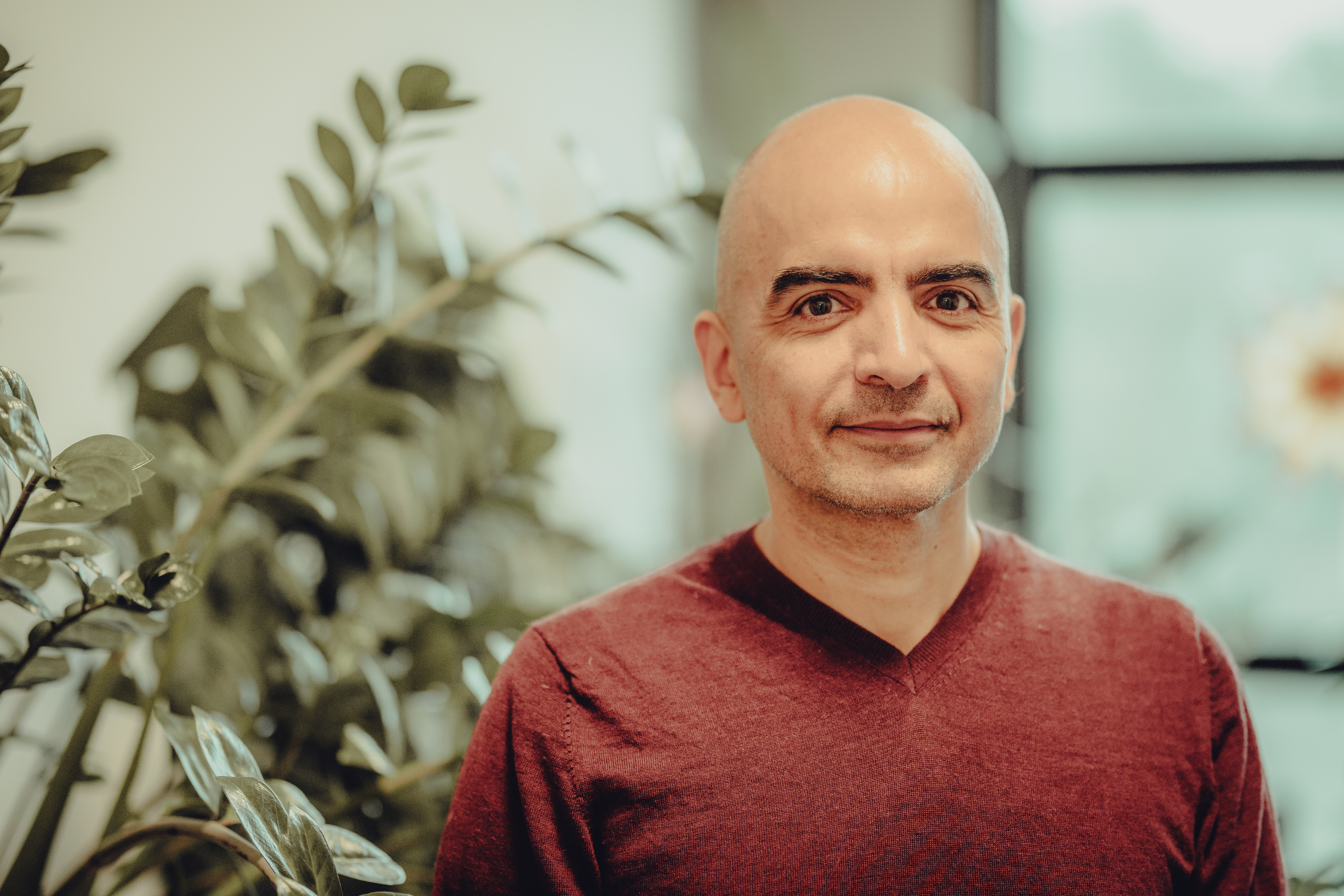
His research addresses some of the more complex engineering challenges in the energy transition: how to store CO₂ safely without compromising wellbore or caprock integrity, how to produce geothermal energy without triggering seismic activity, and how to ensure that stored hydrogen is not degraded by subsurface microorganisms. Underpinning this work is a view of the subsurface not as a single-purpose resource, but as a multifunctional and ecologically connected system that requires careful, evidence-based management.
That perspective has become increasingly important as the energy industry expands offshore and the subsurface is called upon to serve multiple functions simultaneously - from CO₂ storage and geothermal energy production to hydrogen storage and the decommissioning of legacy infrastructure. A central part of his role will be to work with industry and authorities to optimise subsurface use while minimising environmental impact, and to provide the scientific foundation for government regulation in this area.
"What motivates me most is working across disciplines and with talented colleagues to tackle complex subsurface challenges. I look forward to further advancing our work and building collaborations that promote responsible resource use and deliver societally impactful solutions", says Hamid Nick.
DTU Offshore has in recent years established itself as a key contributor to CO₂ storage research in Denmark, and his appointment is expected to strengthen that position further - while broadening the centre's reach to international stakeholders.
"Hamid has been a central part of our centre for the past ten years, contributing with excellent research results, building strong collaborations across a diverse stakeholder landscape, and maintaining an impressive publication record," says Elena Pachkova, Centre Director of DTU Offshore. "His work has played a significant role in shaping our scientific profile and strengthening our position as an important player in the energy transition."