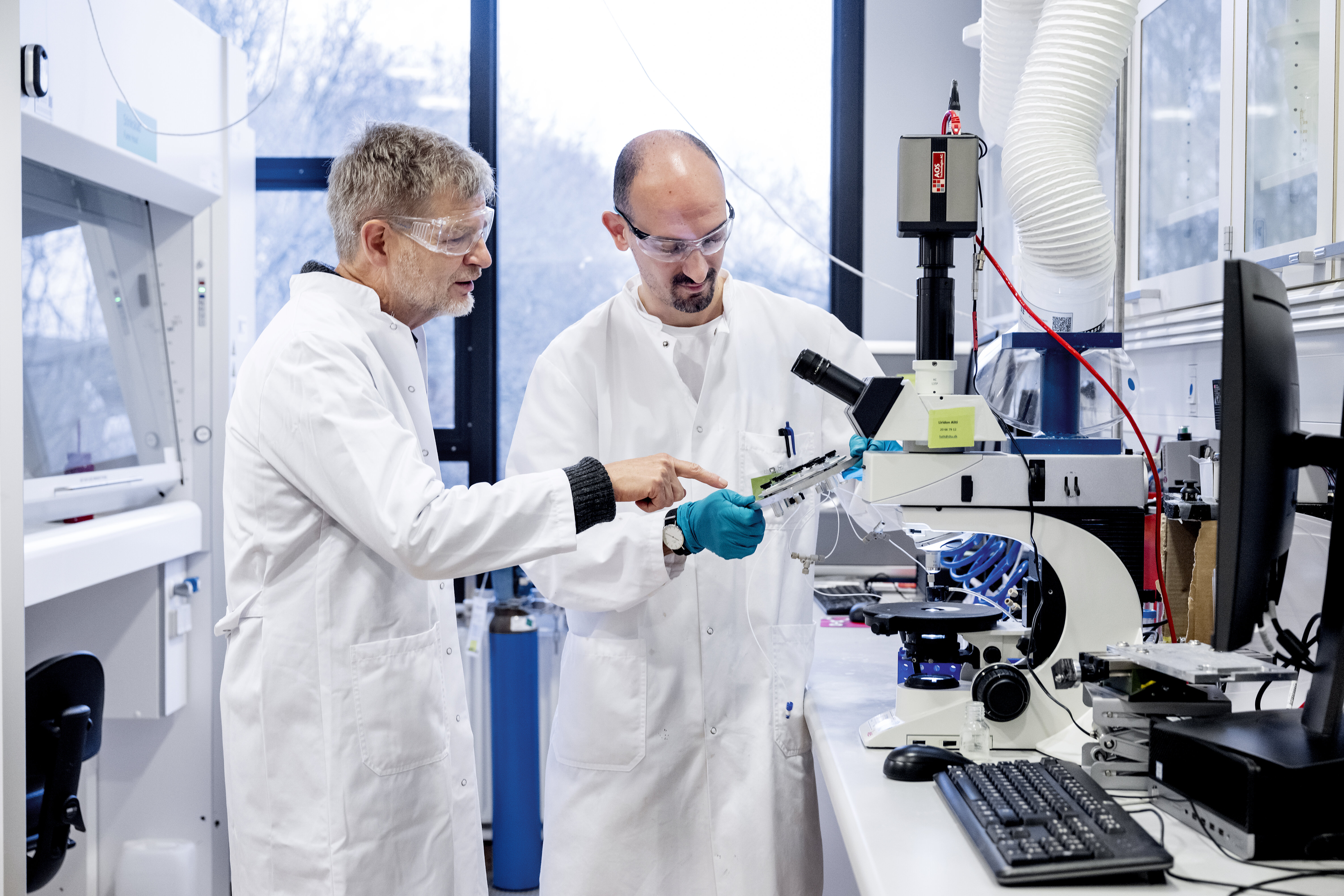
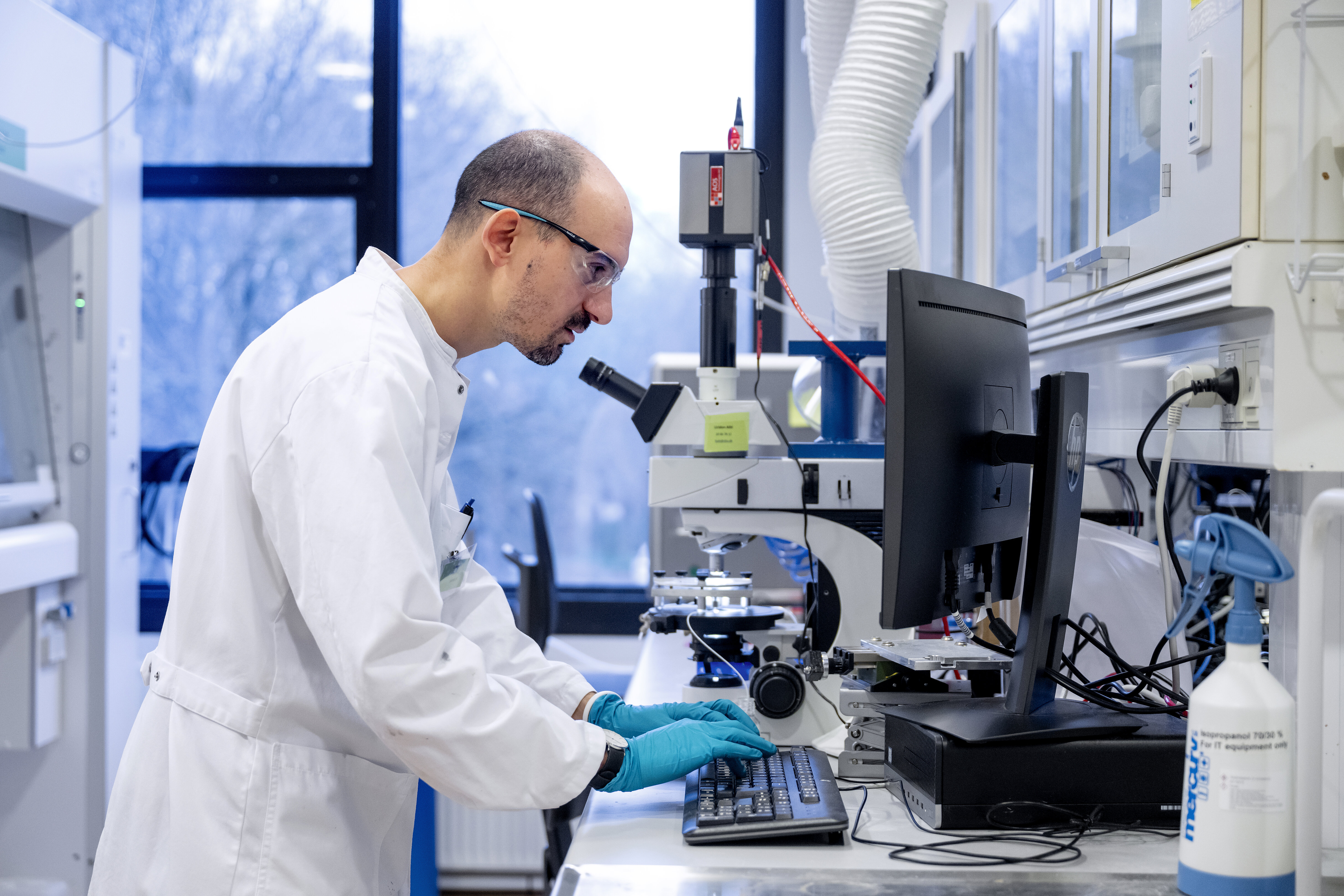
The five samples also differed considerably, even though four came from the same geographic region and used the same production chemicals. Capillary electrophoresis detected a peak suspected to originate from a commercial corrosion inhibitor, CI-1, in four of the five samples, with concentrations ranging from 0 to 405 ppm. However, the concentration of CI-1 alone could not explain the differences in coalescence frequency between the samples.
The microfluidic method provides information that conventional chemical analysis cannot capture directly. By observing droplets in real time, Liridon and Simon could quantify coalescence and identify other features of droplet behaviour, including droplet size, flocculation, and adherence to the channel walls. This provides a relative assessment of how strongly a produced water sample stabilises oil droplets.
They also used the hydrophilic-lipophilic difference (HLD) concept to help interpret the results. The study indicates that the produced water samples generally contained surface-active constituents that promoted oil-in-water stabilisation, although the authors note that a larger and more consistent dataset would be needed before HLD could be used quantitatively for this type of sample.
The method is not intended to replace chemical analysis. Instead, it offers a relatively fast way to assess whether a produced water sample is stabilising oil droplets and to investigate possible causes of problems in water treatment units. Chemical analysis is still needed to identify the specific constituents responsible.