Oil emissions from offshore windfarms – impacts on marine biodiversity

Researchers at DTU Offshore are assessing potential environmental impacts of spills of diesel, oil, hydraulic fluids, and various mechanical lubricants from offshore wind turbines on marine biodiversity.
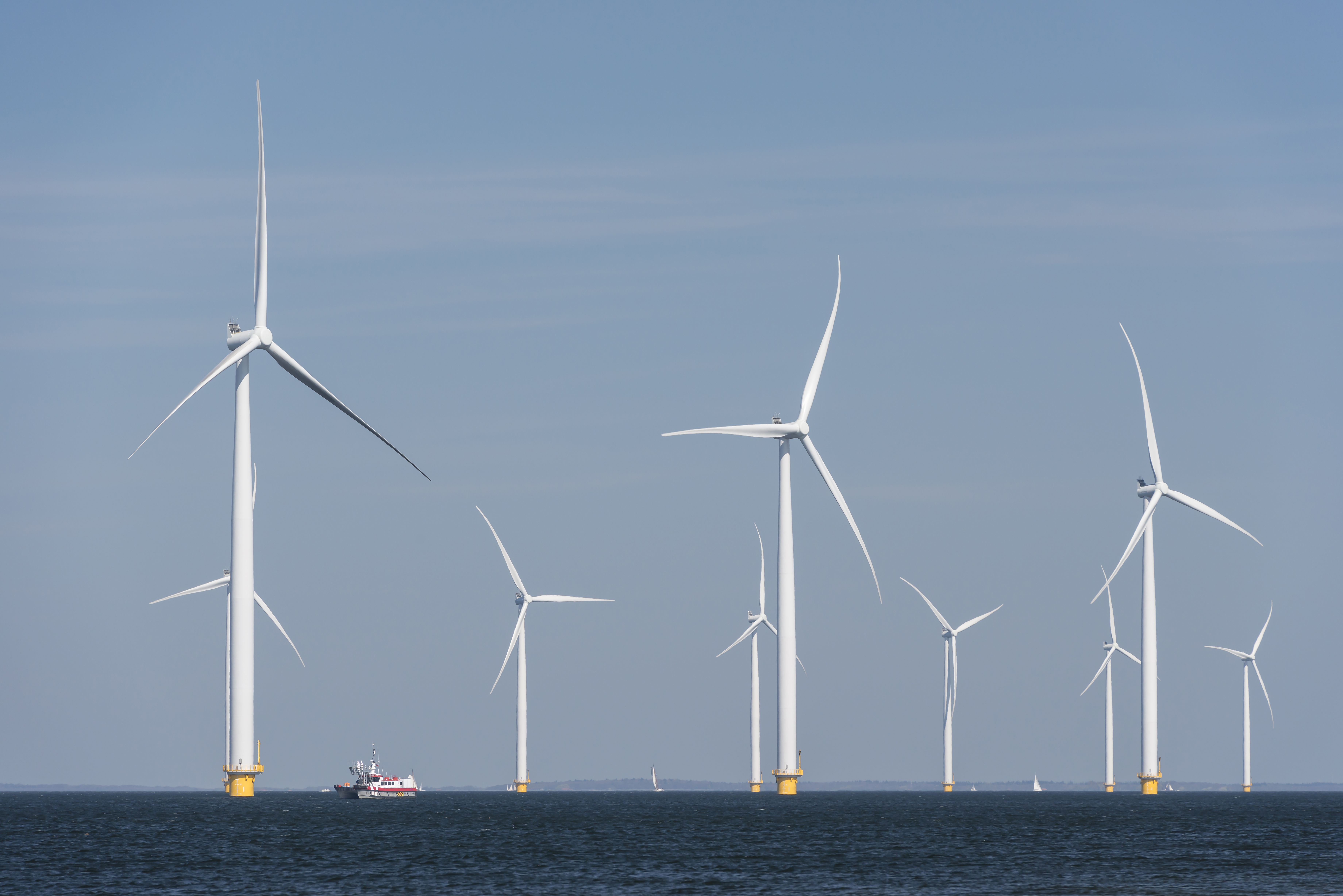
Offshore windfarms
Offshore windfarms. Photo: Tonko Oosterink.

The project aims to quantify the potential harmful effects of oil emissions and point to solutions to prevent the rapidly growing wind power industry from causing negative impacts on marine biodiversity.
 
Our researchers focus on three factors concerning the release and effects of oils from offshore wind turbines on marine biodiversity:
 
  • The influence of additives on the stability of oil droplets after discharge into the sea
  • The ecotoxicity of fresh and used oils to marine species, and
  • The environmental persistence of oil components.
 
Special emphasis will be placed on the role of oil droplets, as these can co-transport oil components and have significant and unexpected negative effects on marine biodiversity.
 
The long-term goals are to eliminate negative ecotoxicological effects, and the release of persistent chemicals. The research aims to improve the basis for environmental risk assessment and management of the rapidly expanding offshore energy industry.
 

The project is funded by VELUX Fonden.


“Offshore windfarms may cause uncontrolled discharge of different oils into the sea, for example hydraulic fluids and lubricants. Our project will investigate the potential consequences for the marine environment with the purpose of understanding the chemical impact and developing methods to avoid damage to the marine environment. This could for example be by substitution of various chemical additives in the fluids”.
Simon Ivar Andersen, Research Director and Professor DTU Offshore

Contact

Simon Ivar Andersen

Simon Ivar Andersen Research Director and Professor, Chemical Impact of Offshore Energy Production Danish Offshore Technology Centre Mobile: 9351 0758