Detection of Production-Field Chemicals Using Capillary Electrophoresis
A fast analytical method enables detection of oilfield chemicals in water, supporting better monitoring and environmentally responsible chemical management.
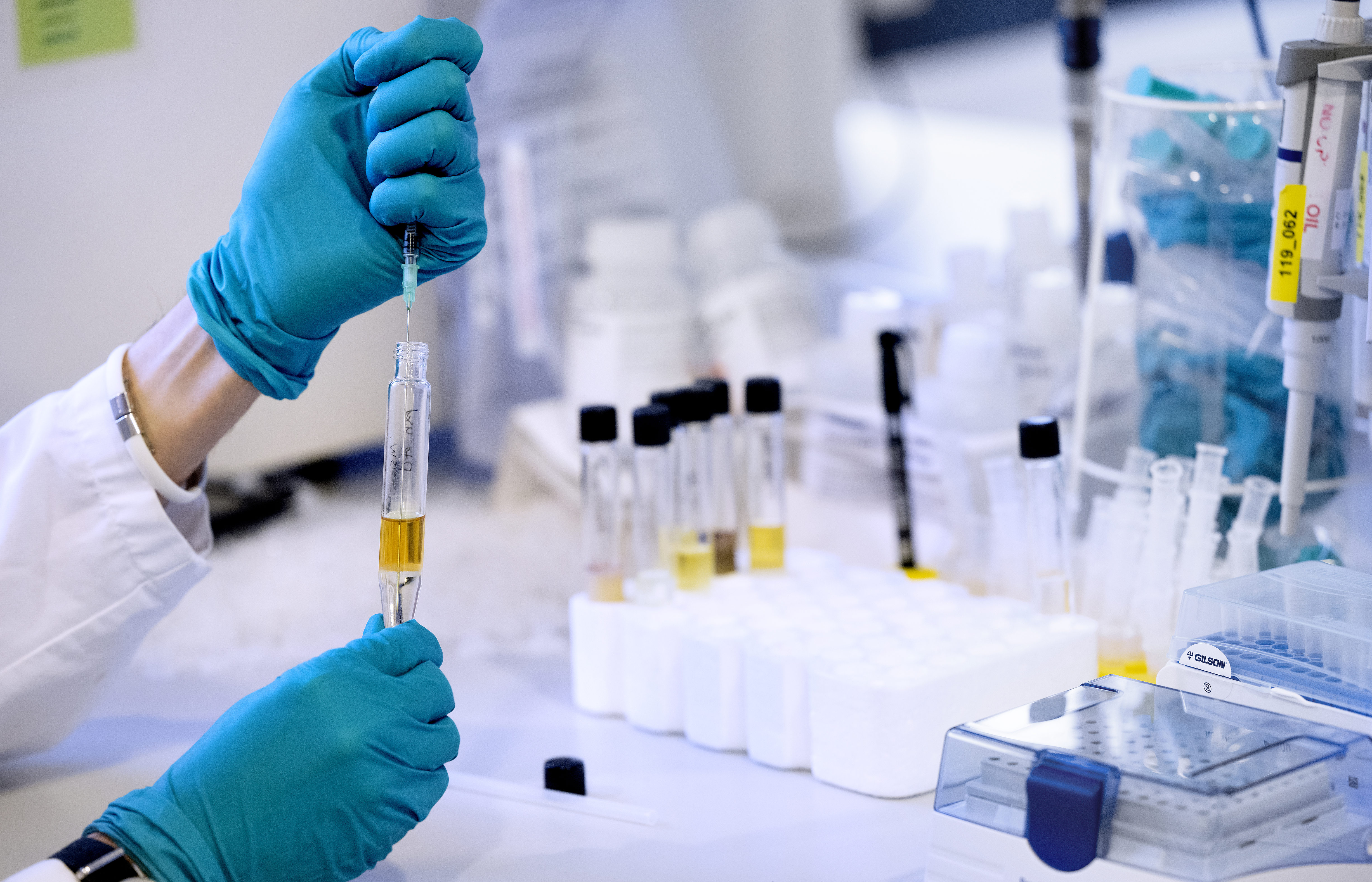
Capillary electrophoresis is an analytical technique widely used in pharmaceutical and biological research. Depending on the chosen mode and method, it enables the detection of both ions and neutral compounds in solution, including aqueous systems. The technique allows analytes to be detected at concentrations potentially as low as parts per billion (ppb), without the need for sample preparation and with analysis times of only a few minutes. Due to its simplicity, the method is easy to operate and requires only electricity to run, without additional auxiliary equipment.
In this project, capillary electrophoresis is used to detect oilfield production chemicals in water using a tailored buffer system developed by SLB (MA, USA). Through indirect UV detection, the technique offers considerable analytical flexibility. By tailoring the running buffer solution to the target analyte, a wide range of compounds can be detected in aqueous samples.
So far, the method has been applied to detect several production chemicals, including biocides, corrosion inhibitors, scale inhibitors, and demulsifiers, with detection limits down to a few parts per million (ppm). In addition, the technique has been used to determine partitioning coefficients of production chemicals between water and crude oil and/or octanol.
These measurements provide important input for operational decision-making, particularly when adjusting chemical dosages. They also help assess the fraction of chemicals that partition into the water phase, which may pose risks to marine ecosystems.
Read the full research article by Aliti et al. here
Contact
Liridon Aliti Research coordinator for produced water management Danish Offshore Technology Centre Mobile: +45 20667912 lialit@dtu.dk
Simon Ivar Andersen Research Director and Professor, Chemical Impact of Offshore Energy Production Danish Offshore Technology Centre Mobile: 9351 0758 simand@dtu.dk